Review: Green Seasonal Tree Embroidery Design
As an embroidery designer who has spent years digitizing patterns and consulting for small clothing brands, I approach every new machine embroidery design with a critical eye. It is not just about whether the file opens correctly; it is about how that design translates onto fabric, how it elevates a garment, and whether it resonates with the end consumer. Recently, I had the opportunity to test the Green Seasonal Tree Embroidery Design for a limited-edition sweatshirt drop intended for a boutique client. This review breaks down my professional assessment of this pattern, focusing on its application in real-world commercial apparel scenarios.
First Impressions: Minimalism Meets Festive Charm
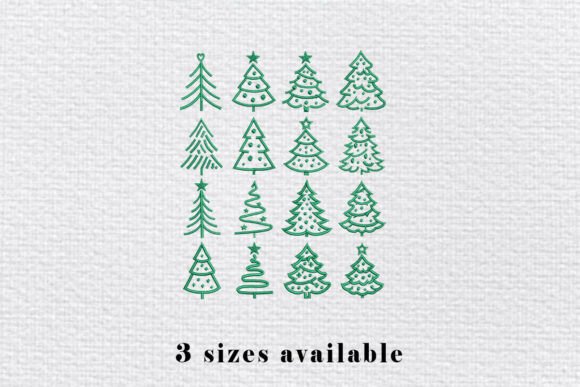
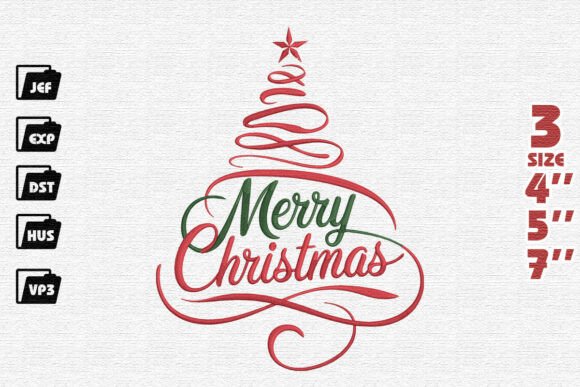
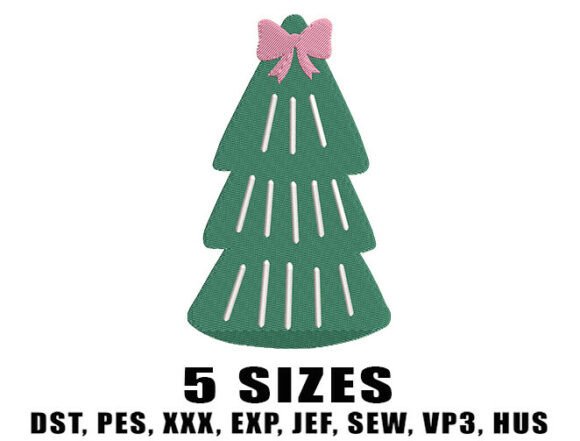
The first thing that struck me when loading the digital embroidery file was the clean, intentional simplicity of the layout. The description highlights a "classic green Christmas tree embroidery design topped with a lovely pink bow," and the minimalist line pattern delivers exactly that. In an era where over-digitized, dense designs can often look cluttered on modern apparel, this piece breathes. It feels contemporary rather than dated.
The mood is undeniably playful yet refined. The contrast between the traditional evergreen silhouette and the soft, unexpected pink bow creates a feminine twist on a rustic holiday staple. For a boutique brand aiming to capture a audience that values subtle seasonal nods over loud graphics, this aesthetic is spot-on. It does not scream "holiday merchandise"; instead, it whispers "cozy winter elegance."
Fabric Compatibility and Visual Impact
When preparing a sweatshirt embroidery project, fabric texture plays a pivotal role in the final outcome. I tested this design on several fabric types to gauge its versatility. On neutral, heather-grey cotton blends, the green thread popped with a vibrant, fresh energy, while the pink bow added a delicate accent that prevented the look from being too masculine or stark. The minimalist lines allowed the natural fabric texture of the fleece to show through slightly, giving the finished product a high-end, breathable feel.
On darker fabrics, such as charcoal or navy hoodies, the design required careful thread selection. I found that using a slightly brighter shade of green ensured visibility without losing the subtlety of the line work. The pink bow remained a standout feature, offering a surprising pop of color against the dark background. For pastel-colored oversized hoodies, the design felt incredibly soft and approachable, perfect for a younger demographic or those seeking a "cute" rather than "bold" holiday look.
Placement Strategies for Boutique Apparel
One of the strengths of this embroidery file is its scalability across five sizes. This flexibility is crucial for custom apparel branding. Here is how I envision utilizing these sizes in a production run:
- Chest Placement: The medium size works beautifully on the left chest of a crewneck sweatshirt. It is small enough to be understated but large enough to be recognized as a deliberate design element.
- Sleeve Accents: The smallest size is ideal for sleeve cuffs or upper-arm placements. This trend is growing in popularity among Etsy sellers and independent designers looking to add value without overwhelming the garment.
- Back Designs: Using the largest size centered on the back of an oversized hoodie creates a statement piece. However, due to the minimalist nature, I would recommend pairing it with simple text or keeping it solitary to maintain its clean appeal.
Technical Considerations for Production
From a technical standpoint, there are several factors every commercial embroidery operator must consider before running a bulk order. While the specific stitch count and exact hoop dimensions are not detailed in the brief description, the minimalist line pattern suggests a lower stitch density compared to filled satin designs. This is generally a positive trait for sweatshirts, as it reduces the risk of fabric puckering and keeps the garment flexible and comfortable.
However, low-density designs require precision. I strongly advise using a cut-away stabilizer rather than a tear-away for knit fabrics like sweatshirt fleece. This ensures that the stitches remain stable during wear and washing, preventing distortion over time. Additionally, because the design relies on line work, needle choice is critical. A sharp embroidery needle will help penetrate the thicker fabric layers cleanly, ensuring each line remains crisp.
Thread color contrast is another vital element. Since the design is two-toned, ensure your machine is threaded correctly to avoid color bleeding or misalignment. Test runs on scrap fabric identical to your production material are non-negotiable. You need to verify that the green and pink threads harmonize with your specific fabric dye lot. A mismatched pink can look jarring against certain shades of green, so always check your physical thread spools against the digital preview.
Enhancing Brand Identity and Product Value
For small shop owners and creative entrepreneurs, the right design asset can significantly impact buyer trust and brand identity. The Green Seasonal Tree Embroidery Design offers a level of sophistication that elevates a basic sweatshirt into a handmade product worth a premium price point. Customers are increasingly drawn to items that feel curated and unique. This design’s blend of traditional holiday imagery with a modern, minimalist execution signals that the brand is current and stylish.
Furthermore, this design lends itself exceptionally well to lifestyle product photography. The clean lines photograph beautifully in natural light, making it easier for Etsy sellers to create compelling printable mockup images or flat-lay shots for social media. The visual recognition of the pink bow adds a signature touch that can become part of a brand’s seasonal aesthetic, fostering customer engagement and repeat purchases.
Final Verdict for Designers and Makers
In conclusion, the Green Seasonal Tree Embroidery Design is a versatile and commercially viable addition to any holiday collection. It bridges the gap between festive tradition and modern minimalism, making it suitable for a wide range of apparel from cozy loungewear to chic outerwear. Its adaptability across different fabric colors and placement options makes it a valuable tool for boutique brands looking to diversify their offerings.
Before beginning full-scale production, remember to verify the specific file formats compatible with your machines and confirm the recommended hoop size for each of the five included sizes. Check the license terms to ensure they align with your intended commercial use. With proper stabilizer selection and attention to thread contrast, this design has the potential to become a bestseller in your small shop product lineup. It is a thoughtful, well-balanced pattern that respects both the craft of embroidery and the aesthetics of contemporary fashion.