Review: Modern Cityscape Embroidery Design
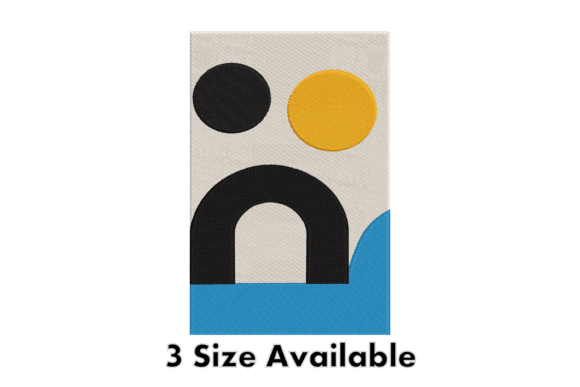
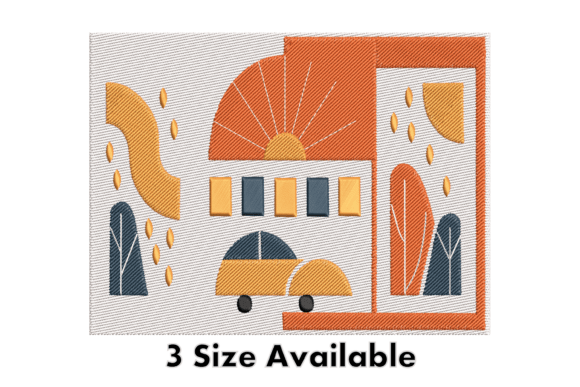
As a designer who spends more time staring at stitch maps than actual fabric, I have learned to be skeptical of "modern" claims in the digital marketplace. Too often, what is labeled contemporary is merely a simplified clipart conversion with poor pathing. However, when I loaded the Modern Cityscape Embroidery Design into my software for a recent client project, I was immediately struck by its intentional abstraction. This is not just a picture of a city; it is a graphic interpretation of urban life, featuring abstract buildings, stylized trees, and a sun rendered with fun geometric details.
The design arrives as an upper line machine embroidery file, available in three distinct sizes. For those of us running a craft business or managing an Etsy shop, versatility is currency. The ability to scale a single concept across different hoop sizes without losing the integrity of the geometric lines is a significant advantage. I evaluated this embroidery file not just as a digital asset, but as a component of a tangible, sellable product. Here is my practical assessment of how it performs in real-world applications.
First Impressions: Mood and Visual Personality
The immediate mood of this design is playful yet sophisticated. It avoids the clutter typical of realistic skyline designs, opting instead for clean lines and open space. This minimalist approach is crucial for embroidery, where too much detail can result in a muddy, over-stitched mess. The abstract buildings provide vertical interest, while the trees and sun soften the composition, making it approachable rather than cold or industrial.
Visually, the design relies heavily on the interplay between negative space and stitched lines. This suggests that the choice of thread colors will define the final aesthetic more than the stitch types themselves. In my initial mockups, I found that high-contrast pairings—such as navy thread on cream fabric or white thread on charcoal linen—allowed the geometric details to pop. The design feels native to modern home decor and contemporary apparel, bridging the gap between nursery whimsy and adult minimalism.
Real-World Application: From Digital File to Finished Product
To test the viability of the Modern Cityscape Embroidery Design, I simulated its application on several common items found in small shop product lines. The most natural fit appeared to be tote bags. A canvas tote provides a stable, flat surface that respects the geometric precision of the buildings. The design’s width fits comfortably within standard hoop limitations, creating a balanced tote bag design that looks professional rather than amateurish.
I also considered its potential for sweatshirt embroidery. Placed on the left chest or as a larger back piece, the abstract nature of the cityscape complements the casual vibe of fleece or cotton blends. The lack of dense fill stitches means the garment retains its drape and comfort, a critical factor for custom apparel. For baby items, such as a onesie or a nursery pillow cover, the smaller size option offers a charming, gender-neutral motif. The stylized trees and sun evoke a sense of calm, making it an excellent choice for baby embroidery projects where softness and simplicity are preferred.
For Etsy sellers and creative entrepreneurs, this design serves as a strong foundation for seasonal collections. With minor tweaks to thread colors, it transitions easily into holiday embroidery themes—think warm oranges and reds for autumn or cool blues and silvers for winter. It functions well as a standalone embroidered patch if applied to a stabilizer-backed fabric before attachment, adding value to jackets or backpacks.
Technical Considerations and Stitch Performance
While the design is aesthetically pleasing, its technical execution requires attention. As an upper line design, it likely utilizes a combination of running stitches and satin stitches to define the geometric shapes. This means stitch density is generally low, which is beneficial for speed and fabric handling. However, low density also means that the fabric texture will show through. This is not a flaw, but a characteristic that must be managed.
When working with textured fabrics, such as linen or waffle knit, ensure your thread color contrasts sufficiently with the background. On smooth fabrics like cotton poplin or polyester blends, the lines will appear crisp and definitive. I strongly advise using a cut-away stabilizer for garments that will undergo frequent washing, particularly for custom apparel. For woven items like tea towels or pillow covers, a tear-away stabilizer may suffice, provided the fabric is hooped tightly to prevent puckering.
One area requiring caution is the use of this design on stretchy fabrics. Without proper stabilization, the geometric lines can distort, turning straight building edges into wavy irregularities. Always test the design on scrap fabric identical to your final material. Check the stitch density in your software to ensure it does not exceed the recommended limit for your specific fabric weight. If the design includes tiny details, verify that your machine can handle the short stitch lengths without breaking thread.
Commercial Viability and Brand Consistency
For commercial embroidery projects, consistency is key. The Modern Cityscape Embroidery Design offers a cohesive look that can help build brand recognition. If you are selling a line of urban-themed goods, this design acts as a signature element. Its abstract nature allows it to pair well with other geometric or nature-inspired motifs, creating a versatile library of design assets for your shop.
Customer trust is built on the quality of the finished product. A clean, well-digitized design signals professionalism. Because this file avoids excessive bulk, it reduces the risk of thread breaks and production delays, allowing for higher throughput in a small business environment. When creating printable mockups for your online listings, the clean lines of this design render beautifully, giving potential buyers a clear expectation of the final item.
Practical Designer Notes for Best Results
Before committing to a large production run or listing this as a new product, consider these practical steps:
- Test on Scrap Fabric: Always stitch out a sample on your intended material to check for registration issues or puckering.
- Check Thread Contrast: Use black and white mockups to ensure the design remains legible regardless of color choices.
- Verify Hoop Size: Confirm that the largest size of the design fits within your machine’s maximum hoop capacity.
- Inspect Small Details: Zoom in on the geometric details in your software to ensure they are not too fine for your needle size.
- Review Licensing: Before selling finished items or digital products, confirm the license terms associated with the digital embroidery file to ensure compliance with commercial use policies.
- Stabilizer Selection: Match your stabilizer to the fabric type; do not guess. A unstable base will ruin even the best digitizing.
In conclusion, the Modern Cityscape Embroidery Design is a thoughtful addition to any designer’s library. It balances artistic flair with technical practicality, making it suitable for a wide range of sewing and embroidery projects. Whether you are creating a personalized gift, stocking your small shop product line, or designing custom apparel, this file offers the reliability and visual appeal needed to satisfy discerning customers. By respecting its geometric nature and preparing your materials correctly, you can transform this digital asset into a high-value finished product.