Review: Native American Embroidery Design for Makers
As an embroidery designer who spends countless hours digitizing patterns and testing them on various fabrics, I am always cautious when selecting new assets for my commercial library. The market is saturated with generic motifs, so finding a machine embroidery design that offers both aesthetic depth and technical reliability is rare. Recently, I evaluated the Native American Embroidery Design available on Creative Fabrica to determine if it meets the rigorous standards required for professional handmade products. This review breaks down the visual appeal, practical application, and commercial viability of this geometric tribal-inspired pattern.
First Impressions: Visual Mood and Symmetry
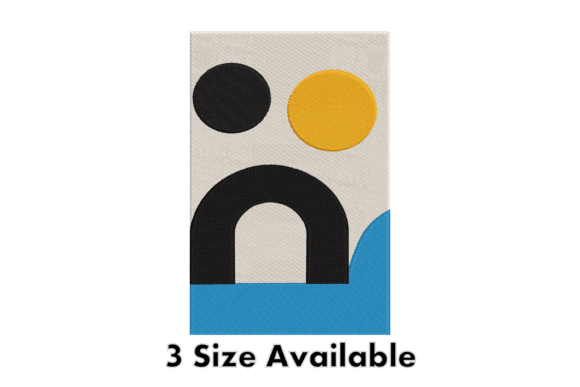
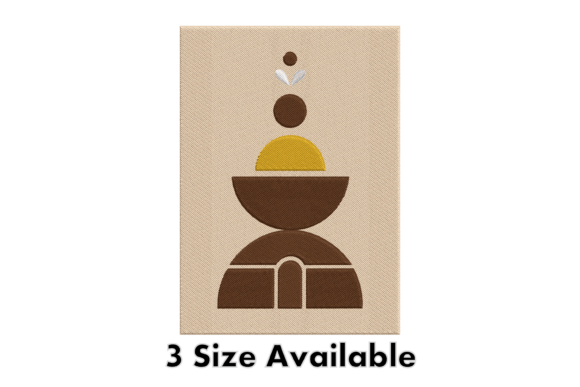
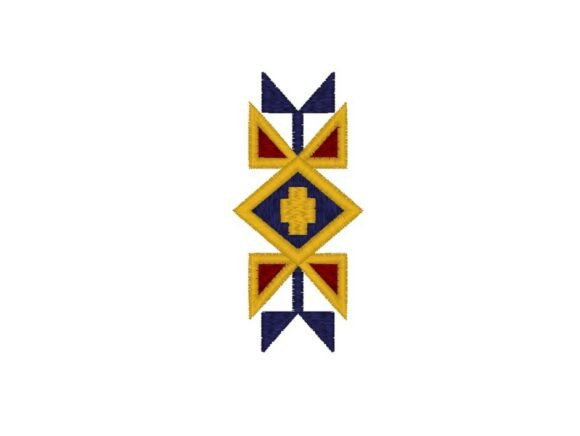
The first thing that strikes you about this Embroidery asset is its bold geometric symmetry. Unlike freehand organic shapes that can sometimes look messy when stitched out, this design relies on precise triangles and diamonds arranged in a totem-like structure. The suggested color palette of navy, gold, and deep red creates a striking contrast that feels both modern and rooted in traditional aesthetics. For designers working within the Shapes category, this piece stands out because it balances negative space with dense stitching areas effectively.
The visual mood is authoritative yet decorative. It does not scream for attention with excessive complexity; instead, it commands respect through clean lines and balanced proportions. This makes it an excellent candidate for projects where you want the embroidery to be the focal point without overwhelming the garment or item. When viewing the preview images, the stitch definition appears crisp, suggesting that the underlying digital embroidery file has been optimized for clarity rather than just fill volume.
Performance in Real-World Projects
Theoretical beauty means little if the design fails under the needle. I considered how this pattern would perform across a range of common commercial items. Here is how I envision using this embroidery file in a real workshop setting:
- Custom Apparel: The vertical orientation of the totem arrangement makes it ideal for the left chest of a sweatshirt or the center back of a jacket. The geometric nature ensures it looks professional on structured garments like denim jackets or canvas aprons.
- Tote Bag Design: Canvas bags benefit from bold designs that can withstand frequent use. The strong lines of this pattern would hold up well against the textured weave of heavy cotton canvas, provided the correct stabilizer is used.
- Embroidered Patch Creation: Because the design is self-contained and symmetrical, it is perfect for creating iron-on or sew-on patches. Patches are a high-margin item for Etsy sellers, and this design’s distinct borders make cutting and finishing easier.
- Home Decor: Imagine this stitched onto a neutral linen pillow cover or a kitchen towel. The navy and gold threads would pop against cream or white fabrics, adding a touch of sophisticated bohemian style to nursery decor or living room accents.
For those selling on platforms like Etsy, this design offers versatility. It can be marketed as part of a heritage-inspired collection or used as a standalone statement piece. The key to success here is matching the thread colors to the fabric. While the default navy and red are classic, experimenting with earth tones like olive green, rust, or charcoal could open up new markets for outdoor or rustic-themed brands.
Technical Considerations for Stitching
Before running this design on a customer’s expensive garment, there are several technical factors to address. Since the product description highlights "bold geometric symmetry" and "triangles and diamonds," we can infer certain stitching behaviors. Geometric shapes often utilize satin stitch for borders and fill stitch for larger areas. Here is what you need to watch for:
Stitch Density and Fabric Choice: Dense geometric fills can cause puckering on lightweight or stretchy fabrics. If you are applying this to a t-shirt or a baby blanket, you must use a high-quality cut-away stabilizer. For woven fabrics like tote bags or aprons, a tear-away stabilizer might suffice, but testing is crucial. Always run a test stitch on scrap fabric identical to your final material. This allows you to check for registration issues and ensure the stitch density does not distort the fabric.
Hoop Size and Placement: While specific dimensions are not listed in the brief description, geometric totems usually require a medium to large hoop to maintain proportion. Ensure your machine’s hoop size accommodates the full height of the design. If you are stitching on curved surfaces like caps, you may need to resize the design slightly to prevent distortion around the seam. Always confirm the file details and compatible hoop sizes on the Creative Fabrica product page before purchasing.
Thread Color Contrast: The suggested navy, gold, and deep red combination works well on light backgrounds. However, if you are stitching on dark fabric, you may need to adjust the thread colors or add an underlay to ensure visibility. Gold thread, in particular, can be tricky; it often requires slower stitching speeds and specific needle types to prevent shredding. Inspect small details after stitching to ensure the metallic threads have laid flat and shiny.
Enhancing Product Value and Brand Consistency
Using high-quality design assets like this one directly impacts your brand’s perceived value. A clean, symmetrical design signals professionalism to buyers. When customers see precise stitching and thoughtful composition, they are more likely to trust your craftsmanship. This trust translates into higher conversion rates and repeat business.
For creative entrepreneurs, this design supports brand consistency. If your shop focuses on artisanal, handcrafted goods, this tribal-inspired motif aligns well with narratives of tradition, culture, and handmade quality. It elevates a simple finished product from a commodity to a personalized gift. Furthermore, such a visually striking design photographs beautifully. High-contrast geometric patterns create sharp shadows and highlights in product photography, making your listings stand out in crowded search results.
When creating printable mockup images for your online store, this design’s clear lines allow for realistic digital previews. You can easily visualize how it looks on different colored garments, helping customers make informed decisions before purchasing. This reduces return rates and increases customer satisfaction.
Final Verdict and Practical Advice
The Native American Embroidery Design is a strong contender for designers looking to expand their library with versatile, geometric options. It bridges the gap between traditional motifs and modern minimalism. However, success depends on execution. Do not assume the file is plug-and-play for every fabric type. Respect the nuances of commercial embroidery by testing extensively.
- Check Licensing: Always review the license terms on the Creative Fabrica product page. Ensure you are compliant for commercial use if you plan to sell finished items.
- Test Stitch: Never skip the test phase. Use scrap fabric to verify tension, density, and color interaction.
- Optimize Stabilization: Match your stabilizer to your fabric weight. Heavy designs need strong support.
- Photograph Well: Leverage the geometric symmetry in your marketing photos to highlight the precision of your work.
In conclusion, this design offers significant potential for tote bags, sweatshirts, patches, and home decor. It is a valuable addition for those who appreciate structured, symbolic art in their handmade product lines. By paying attention to technical details and fabric compatibility, you can transform this digital file into a best-selling physical item. For embroidery designers and small business owners, it represents a reliable tool for creating high-quality, visually engaging merchandise.