Review: Nautical Ship Wheel Embroidery Design
As an embroidery designer who has spent years digitizing and testing files for small business clients, I approach every new machine embroidery design with a critical eye. It is not just about whether the image looks pretty on a screen; it is about how it performs under the needle, how it holds up after washing, and how it elevates a brand’s identity. Recently, I reviewed the Nautical Ship s Wheel Embroidery Design, a piece that immediately caught my attention for its classic maritime appeal. For boutique owners, Etsy sellers, and apparel decorators looking to expand their small business merch offerings, this design offers a versatile anchor—pun intended—for various product lines.
First Impressions: Classic Maritime Aesthetic
The first thing that strikes you about this digital embroidery file is its timeless quality. The ship’s wheel is an iconic symbol of guidance, travel, and adventure, making it instantly recognizable. In terms of visual personality, the design feels professional yet approachable. It leans towards a classic and rustic aesthetic rather than something ultra-modern or playful. This makes it an excellent candidate for brands that want to convey reliability, tradition, or a love for the outdoors.
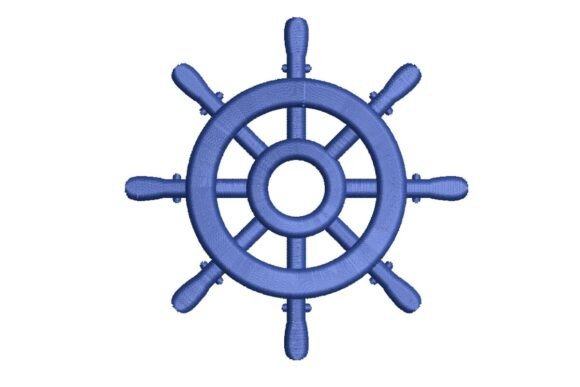
Because the entire wheel, including its central hub, spokes, and handles, is rendered with care, the design maintains structural integrity. For those in the Beach category or coastal-themed businesses, this is not just a decorative element; it is a thematic staple. However, its utility extends far beyond seaside shops. Bakeries using nautical themes, florists with rustic branding, or even local cafes aiming for a heritage look can leverage this imagery effectively.
Real-World Business Applications
When evaluating a design for commercial use, I always ask: "Where does this live on a product?" The Nautical Ship s Wheel Embroidery Design is surprisingly versatile. Here is how I see it performing in real-world scenarios for commercial embroidery projects:
- Embroidered Patches: This is perhaps the strongest use case. The circular nature of the wheel fits perfectly into round or shield-shaped patches. These can be sold as standalone accessories or used to brand uniforms without committing to permanent stitching on expensive garments.
- Cap Embroidery: A simplified version of this design works beautifully on the front panel of baseball caps or dad hats. The symmetry of the wheel complements the curved structure of a cap, offering a clean, centered logo look.
- Apron Embroidery: For bakeries, breweries, or craft studios, placing this design on the chest pocket or upper corner of an apron adds a touch of professionalism. It signals attention to detail and gives staff uniforms a cohesive, branded appearance.
- Tote Bag Design: Canvas totes are a huge seller for handmade brands. Stitching this wheel onto a natural cotton tote creates a durable, high-value handmade product that customers love for its utility and style.
- Custom Apparel Accents: Consider using it as a sleeve detail on work shirts or a small chest logo on polo shirts. It serves as a subtle brand marker that enhances recognition without overwhelming the garment.
Technical Considerations for Production
While the aesthetic is strong, technical execution is where many designers stumble. Before running this design on your production machines, there are several critical factors to consider regarding stitch density and fabric compatibility.
First, assess the hoop size requirements. Since the description notes that the entire wheel is rendered in detail, ensure your hoop can accommodate the full diameter without cropping the handles. If you are scaling the design down for smaller items like pocket logos, you must check if the details remain distinct. Tiny spokes can merge together if the design is reduced too much, resulting in a blob of thread rather than a crisp wheel.
Fabric texture also plays a vital role. On smooth fabrics like twill or broadcloth, the design will likely pop with clarity. However, on textured fabrics like terry cloth towels or rough canvas, you may need to adjust your underlay stitches. Using the proper stabilizer is non-negotiable here. A cut-away stabilizer is recommended for garments that will undergo frequent washing, ensuring the design does not pucker or distort over time.
Another key consideration is thread colors. The nautical theme traditionally calls for navy blues, whites, and perhaps hints of gold or brass. However, do not assume these are your only options. Test the design in black and white first. If it loses its definition in monochrome, it may rely too heavily on color contrast rather than stitch structure. A robust design should hold its shape regardless of the thread palette chosen by the client.
Impact on Brand Identity and Customer Trust
Why does this matter for your bottom line? Because consistent, high-quality design assets build trust. When a customer receives a finished product with clean, well-digitized embroidery, they perceive the brand as premium and professional. The Nautical Ship s Wheel Embroidery Design contributes to this perception by offering a polished, intentional look.
For brand identity, this symbol can become a visual shorthand for your business values: stability, direction, and craftsmanship. Whether used on product packaging accents or as part of a larger logo suite, it helps create visual consistency across your merchandise. This consistency drives buyer engagement and encourages repeat purchases, as customers begin to associate the quality of the embroidery with the quality of your service or goods.
Practical Designer Notes for Implementation
To ensure success with this design, follow these practical steps before fulfilling large orders:
- Create a Printable Mockup: Before stitching, place the design on a digital mockup of your intended product. This helps you visualize scale and placement, allowing for client approval before any thread is wasted.
- Test on Real Fabric: Never skip the test stitch. Run the design on the exact fabric type you plan to use for production. Check for puckering, thread breaks, or registration issues.
- Check Commercial Licensing: Always confirm the license terms of the embroidery file. Ensure you have the right to use it for commercial purposes, especially if you are selling the finished items or the patches themselves.
- Compare Beside Other Assets: Place this design next to your existing logos or patterns. Does it complement them? Does it clash? Visual harmony is key to a cohesive product line.
- Verify File Details: Since specific technical data like exact stitch count or available formats were not detailed in the brief description, you must download the sample or specification sheet from the provider. Confirm that the file format matches your machine’s requirements (e.g., PES, DST, JEF) before purchase.
In conclusion, the Nautical Ship s Wheel Embroidery Design is a strong contender for small business owners looking to add a touch of maritime charm to their offerings. With careful attention to technical details and strategic placement, it can enhance everything from custom apparel to branded accessories. By treating this design as a core component of your brand’s visual language, you can create merchandise that not only looks good but also stands the test of time and wear.