Reviewing Spider Embroidery for Real Projects
As an embroidery designer who spends countless hours digitizing and stitching, I approach every new machine embroidery design with a critical eye. It is not just about whether the image looks cute on a screen; it is about how those stitches behave on fabric, how they hold up after washing, and whether they add genuine value to a finished product. Recently, I took a closer look at Spider Embroidery available on Creative Fabrica. This review breaks down my assessment of this digital asset from the perspective of someone who intends to use it for commercial projects, Etsy listings, and custom client orders.
First Impressions and Visual Appeal
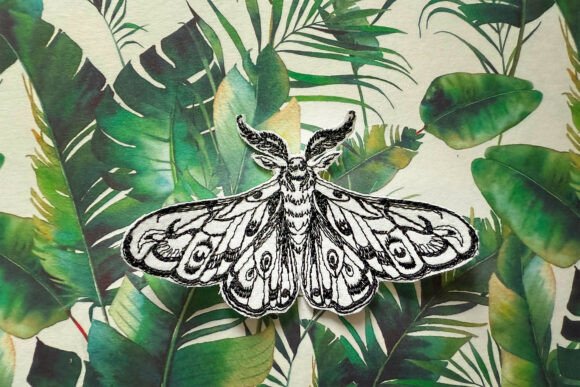
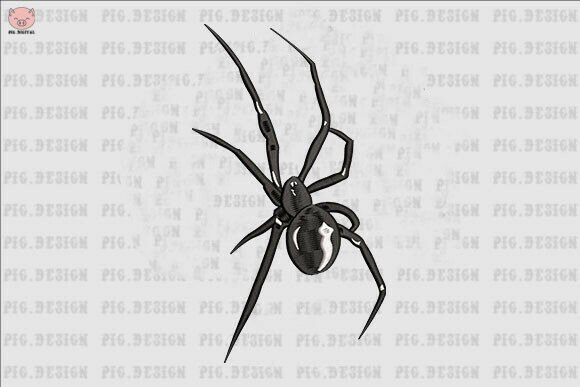
The first thing that strikes you about Spider Embroidery is its versatility within the Bugs category. While spider motifs can sometimes lean too heavily into Halloween-specific aesthetics, this design appears to have a broader decorative appeal. The visual mood balances intricate detail with clean lines, which is crucial for maintaining stitch integrity. When evaluating a new embroidery file, I look for a balance between artistic flair and technical feasibility. This design seems to offer a professional touch that can elevate simple items like clothing, accessories, and home décor.
The detailing suggests a thoughtful approach to stitch types. A well-digitized spider design typically relies on precise satin stitch work for the legs to ensure they remain sharp and do not become bulky or messy. For the body, a combination of fill stitch and potentially running stitch outlines can create depth without excessive thread buildup. From the preview images, the design promises a unique look that stands out from generic clip-art conversions, which is essential for building a recognizable brand identity.
Practical Applications for Handmade Businesses
For small business owners and creative entrepreneurs, the utility of a design determines its worth. Spider Embroidery is not limited to seasonal spooky decor. Its application extends far beyond October. Here is how I envision using this design in real-world scenarios:
- Custom Apparel: Placing a smaller version of the design on the chest pocket area of a denim jacket or flannel shirt creates a subtle, edgy look. For sweatshirt embroidery, a larger placement on the back can serve as a statement piece.
- Tote Bag Design: Canvas tote bags are sturdy enough to handle moderate stitch density. A spider motif adds a whimsical or gothic element that appeals to niche markets, making it a strong seller for craft fairs.
- Embroidered Patches: This design is ideal for creating iron-on or sew-on patches. Patches allow customers to customize their own gear, increasing the perceived value of your handmade product.
- Home Décor: Imagine this stitched onto pillow covers or kitchen towels. For nursery decor, if the color palette is softened, it can fit into a "nature" or "forest friends" theme rather than a scary one.
The key to success with Creative Fabrica embroidery products is adapting the design to the item. A design that looks great on a white cotton towel might need adjustment for a dark fleece hoodie. Understanding these nuances is what separates a hobbyist from a professional seller.
Technical Considerations and Stitch Performance
Before running any digital embroidery file on a customer’s expensive garment, technical due diligence is non-negotiable. Here are the specific factors I consider when working with a design like Spider Embroidery:
Fabric and Stabilizer Selection
The performance of the stitches depends heavily on the substrate. For stretchy fabrics like jersey knits used in t-shirts, a cut-away stabilizer is mandatory to prevent puckering. For woven fabrics like linen or cotton used in aprons and tote bags, a tear-away stabilizer usually suffices. If the design has dense areas, particularly in the spider’s body, using a water-soluble topping can help keep the stitches sitting on top of textured fabrics like terry cloth towels or fuzzy fleece.
Hoop Size and Placement
Always confirm the hoop size requirements before purchasing. While the product description mentions it is perfect for various items, you must ensure the design fits within your machine’s maximum hoop capacity. For curved surfaces like caps, a smaller hoop size is often necessary, and the design should be checked for distortion when applied to a curved cap surface. If the legs of the spider are long and thin, they may require careful hooping to ensure they do not shift during stitching.
Thread Colors and Contrast
Thread choice can make or break the visual impact. On dark fabric, using high-contrast thread colors ensures the design pops. However, for a more subtle, sophisticated look on a personalized gift, tonal threads can create a shadow effect. I recommend creating printable mockup images with different thread color combinations to show potential buyers how versatile the design is. This helps in building buyer trust and enhancing product photography.
Enhancing Product Value and Brand Consistency
In the competitive world of Etsy sellers and boutique merchandise, presentation is everything. Using high-quality design assets like Spider Embroidery contributes to brand consistency. When your stitches are clean, dense, and well-planned, it reflects professionalism. Customers associate high-quality embroidery with durability and care, which increases the perceived value of the finished product.
Moreover, unique designs help in customer engagement. A generic spider might get lost in the noise, but a carefully digitized, artistic interpretation invites closer inspection. It encourages customers to share photos of their purchases, providing free marketing through social proof. Whether you are selling commercial embroidery products or one-off handmade gifts, the quality of the digitization directly impacts your reputation.
Important Pre-Stitching Checks
As with any new acquisition from Creative Fabrica, there are steps you must take before committing to a final project. Since the provided description notes that the design is carefully crafted but does not specify technical metrics, you must verify these details on the product page:
- Check File Formats: Ensure the download includes the format compatible with your specific embroidery machine (e.g., PES, DST, JEF, EXP).
- Verify License Terms: Always read the licensing agreement. Most Creative Fabrica designs allow for commercial use of finished physical items, but restrictions may apply to digital resale or mass production limits.
- Test on Scrap Fabric: Never stitch directly on your final product. Run a test on a similar fabric scrap to check for thread breaks, nesting, or registration issues.
- Inspect Small Details: After stitching the test, inspect the tiny details. Are the legs connecting properly? Is there excessive jump stitching that needs trimming?
- Review Stitch Density: If the design feels too stiff or heavy, you may need to adjust the tension or use a lighter weight thread.
By taking these precautions, you mitigate the risk of ruining expensive materials. It also allows you to refine your technique, ensuring that every custom apparel piece or home accessory you sell meets high standards.
Final Thoughts on Spider Embroidery
Spider Embroidery presents itself as a robust option for designers looking to expand their portfolio within the Bugs category. Its potential applications range from seasonal Halloween goods to year-round gothic or nature-inspired decor. For the experienced embroiderer, it offers a canvas to demonstrate skill through precise stitch work and thoughtful fabric pairing. For the beginner, it serves as a reminder of the importance of testing and proper stabilization.
If you are looking to add a unique and professional touch to your lineup, this design warrants a download. Just remember that the magic lies not just in the file itself, but in how you execute it. Check the specifics on the Creative Fabrica product page, test thoroughly, and let your creativity drive the final presentation. Whether for a cozy sweatshirt, a sturdy tote, or a delicate baby blanket adaptation, this design has the potential to become a staple in your digital library.