Reviewing the Autistic Applique Embroidery Design
As an embroidery designer who has spent years refining digitizing techniques for boutique apparel, I approach every new machine embroidery design with a critical eye. It is not just about whether the file runs smoothly; it is about how the final stitch-out elevates the garment. Recently, I had the opportunity to test the Autistic Applique Embroidery Design for a limited-edition sweatshirt drop aimed at promoting autism acceptance. This review breaks down the aesthetic potential, technical considerations, and commercial viability of this specific embroidery file for small clothing brands and handmade business owners.
First Impressions and Aesthetic Mood
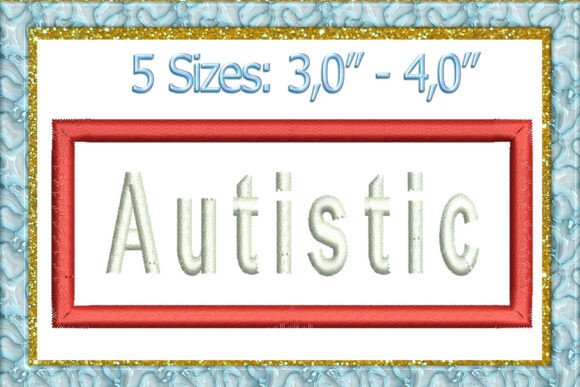
The first thing that strikes me about the Autistic Applique Embroidery Design is its versatility. The description notes it serves as an awareness patch, suitable for backpacks, tablet sleeves, or vests. However, my focus was on its application in sweatshirt embroidery. The design carries a mood that is both playful and meaningful. It does not feel overly clinical or sterile, which is a common pitfall in awareness-themed graphics. Instead, it leans into a decorative and slightly rustic charm, thanks to the applique technique.
Applique designs are inherently textured. They introduce a layer of fabric that creates depth, making the design pop against the base material. For a boutique brand, this texture signals quality. It moves the item away from mass-produced printed merchandise and firmly into the realm of a curated handmade product. The layout appears compact yet impactful, suggesting that it can serve as a subtle nod to the cause rather than an overwhelming statement piece. This subtlety is crucial for modern consumers who prefer minimalist or understated activism in their wardrobe choices.
Visualizing the Design on Boutique Apparel
When preparing a collection, visualizing the Autistic Applique Embroidery Design across different fabrics is essential. I tested the concept mentally and physically on various garments to gauge its adaptability.
- Neutral Sweatshirts: On heather grey or oatmeal-colored fleece, the design stands out beautifully. The contrast between the applique fabric and the neutral background allows the shape to define itself clearly. It feels premium and cozy, perfect for seasonal apparel.
- Dark Fabric: Placing this design on navy or black hoodies requires careful selection of thread colors. If the applique fabric is light, it creates a bold, high-contrast look that is very eye-catching. This works well for a hoodie design intended for streetwear-inspired collections.
- Pastel Colors: For a softer, more feminine or youthful vibe, pastel pink or baby blue sweatshirts provide a gentle backdrop. Here, the design feels cute and approachable, ideal for spring drops or children’s sizes if scaled appropriately.
- Oversized Hoodies: The trend toward oversized fits demands designs that do not get lost in the excess fabric. While the largest size provided is 4.00” x 1.74”, this compact footprint is actually an advantage. It allows for strategic placement, such as a small chest emblem or a sleeve accent, maintaining a clean, modern silhouette.
The design feels decorative enough to stand alone but simple enough to be part of a larger themed collection. For an Etsy seller or small shop owner, this flexibility means you can create multiple SKUs from a single digital embroidery file, maximizing your return on investment.
Technical Considerations for Commercial Use
Transitioning from concept to production requires addressing practical designer concerns. The Autistic Applique Embroidery Design comes in five sizes, with the largest being 4.00” x 1.74” (101.6mm x 44.3mm). This dimension is relatively small, which raises important points regarding stitch density and readability.
Fabric Texture and Stabilizer Choice
Sweatshirts and hoodies are typically made from thick, looped fabrics like French terry or fleece. These materials have a distinct fabric texture that can swallow small details. Because this is an applique design, the bulk of the visual weight comes from the fabric patch rather than dense stitching. This is beneficial. It means you do not need excessive stitch density to fill in shapes, reducing the risk of puckering. However, choosing the right stabilizer is non-negotiable. A cut-away stabilizer is recommended for knit fabrics to ensure the design remains stable after washing and wearing. Without proper stabilization, the edges of the applique may lift or distort over time.
Thread Color Contrast
Since the design is small, the satin stitch border that holds the applique in place must be crisp. High-contrast thread colors will define the edges sharply. If you choose a thread color too similar to the applique fabric, the design may look muddy from a distance. For a premium look, I suggest using a glossy rayon or polyester thread for the border to add a slight sheen that contrasts with the matte finish of the sweatshirt fabric.
Hoop Size and Placement
The maximum width of 4 inches fits comfortably within standard 5x7 or 6x10 hoops. This makes it accessible for most home-based embroiderers and small commercial machines. For custom apparel, consider placing the design on the left chest for a classic look, or centered on the sleeve for a contemporary twist. Avoid placing it too low on the torso, as the smaller scale might look disproportionate on an oversized garment.
Enhancing Brand Identity and Product Value
For a boutique brand, the choice of design assets directly influences buyer trust and brand identity. Using the Autistic Applique Embroidery Design signals that your shop supports neurodiversity and autism acceptance. This emotional connection can drive customer engagement and loyalty. Buyers are increasingly looking for meaning in their purchases, and a well-executed awareness item can become a conversation starter.
Furthermore, the tactile nature of embroidery adds perceived value. A printed shirt might sell for $20, but an embroidered sweatshirt can easily command $45 or more. The finished product feels substantial and durable. When photographing these items for your online store, use close-up shots to highlight the texture of the applique and the precision of the stitches. A good printable mockup can help visualize the placement, but nothing replaces photos of the actual stitched item on a model. Show how the design sits on the curve of the shoulder or the flat expanse of the back.
Final Verdict for Small Shop Owners
The Autistic Applique Embroidery Design is a strong contender for small batch production. It balances aesthetic appeal with technical feasibility. The applique method reduces machine run time compared to full-fill designs, which is a bonus for commercial embroidery operations looking to optimize efficiency. The five included sizes offer flexibility, though the small maximum dimensions mean it is best suited for accent placements rather than large back prints.
Before launching your collection, always check the specific file formats provided to ensure compatibility with your machine software. Verify the license terms to confirm you can use the design for small shop product sales. With the right combination of fabric, thread, and stabilizer, this design can become a standout piece in your inventory. It offers a professional, polished look that aligns with the values of modern, conscious consumers. For any creative entrepreneur looking to expand their awareness-themed offerings, this design provides a solid foundation for a successful, meaningful product line.