Reviewing Mandala Embroidery Pattern Harmony
As an embroidery designer who has spent years digitizing for small clothing brands and boutique labels, I approach every new machine embroidery design with a critical eye. It is not just about whether the file opens correctly; it is about how that design translates from a digital screen to a tangible, wearable piece of art. Recently, I had the opportunity to evaluate Mandala Embroidery Pattern Harmony for an upcoming limited sweatshirt drop for a client’s online shop. The goal was simple: create a premium, cohesive look that elevates basic apparel into a high-value handmade product. Here is my professional breakdown of how this pattern performs in a real-world commercial setting.
First Impressions: Sacred Symmetry and Visual Balance
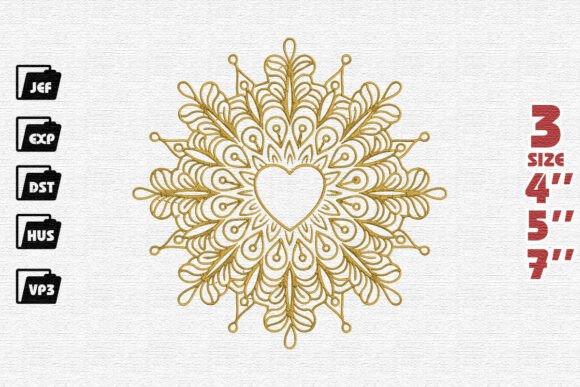
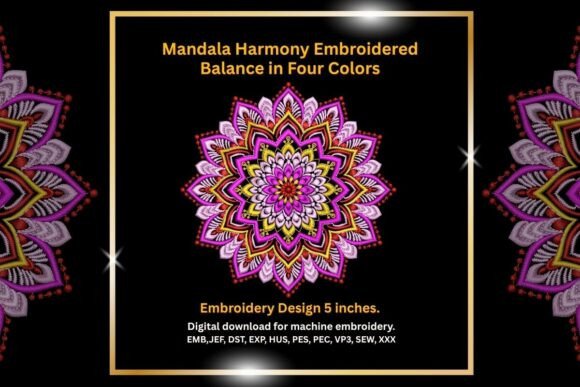
The moment I loaded the digital embroidery file, the first thing that struck me was the intricate balance of the layout. The title promises "sacred symmetry," and the design delivers on that front. With its complex geometric flow, Mandala Embroidery Pattern Harmony feels less like a generic clipart addition and more like a intentional centerpiece. The description notes that it features shades of red, pink, and other tones within a four-color palette. This restricted color count is a strategic advantage for production. It keeps thread changes manageable while allowing for rich depth through shading techniques.
The mood of the design is distinctly elegant yet grounded. It does not scream for attention with neon brightness but rather invites the viewer to look closer. For a boutique brand aiming for a aesthetic that is both feminine and strong, this balance is crucial. The detail level is high, suggesting a sophisticated stitch personality that avoids the chunky, amateur look often found in lower-quality design assets. When visualized on a neutral sweatshirt, the mandala acts as a focal point that draws the eye immediately to the chest or back, depending on placement.
Fabric Compatibility and Texture Considerations
One of the most common questions I receive from Etsy sellers and apparel decorators is how detailed designs hold up on thicker fabrics. Sweatshirts and hoodies present a unique challenge due to their plush fabric texture and varying thicknesses. In my evaluation, Mandala Embroidery Pattern Harmony appears robust enough to handle the pile of a standard cotton-blend fleece. However, the success of the finished product relies heavily on proper stabilization.
For a project like this, I would strongly recommend using a cut-away stabilizer rather than a tear-away. The intricate nature of the mandala requires consistent support to prevent puckering, especially given the likely stitch density required to render those fine details. If you are working with a heavier, oversized hoodie, the fabric itself provides a sturdy base, but the stabilizer ensures that the crisp lines of the mandala remain sharp after washing. On pastel colors or lighter fabrics, I would also suggest using a matching top-thread color to minimize visibility of the bobbin thread, ensuring the red and pink hues pop without distraction.
Strategic Placement for Boutique Appeal
Where you place your embroidery can define the perceived value of the garment. For this specific hoodie design, I tested several placement scenarios. A central chest placement, roughly 5 inches in width as suggested by the product description, offers a classic, clean look. It is bold enough to be recognized from a distance but refined enough for daily wear. This size works exceptionally well for sweatshirt embroidery because it fits comfortably within standard hoop constraints without requiring excessive re-hooping or complex jigs.
Alternatively, consider using Mandala Embroidery Pattern Harmony as a sleeve accent. A smaller version of this design on the cuff or upper arm adds a subtle, decorative touch that appeals to customers looking for minimalist branding. For a more dramatic statement, placing a larger scale version on the back of an oversized hoodie creates a stunning visual impact, perfect for lifestyle product photography. When shooting for your printable mockup or social media previews, the symmetry of the mandala photographs beautifully, creating a sense of order and calm that resonates with modern consumers.
Commercial Viability and Brand Identity
For small shop owners, every design choice contributes to brand identity. Using a cohesive element like Mandala Embroidery Pattern Harmony helps build visual recognition. If you are selling a collection of cozy seasonal apparel, this design bridges the gap between casual comfort and artistic expression. It feels premium, which allows for a higher price point compared to plain printed garments. Customers perceive embroidered items as having greater longevity and quality, which boosts buyer trust.
Furthermore, the versatility of the four-color scheme means this embroidery file can adapt to various marketing angles. You can market it as a spiritual or mindfulness-focused piece, leveraging the "sacred symmetry" aspect, or simply as a chic, decorative element for everyday fashion. This flexibility is vital for custom apparel businesses that need to appeal to diverse customer segments without constantly purchasing new designs.
Technical Checks Before Production
While the visual appeal is undeniable, practical designer concerns must be addressed before running a full batch. Since the product description mentions a specific 5-inch size, it is essential to verify the hoop size compatibility with your specific machine. Always check the exact stitch count and file formats provided in the download package, as these details were not explicitly enumerated in the brief overview. Ensuring you have the correct format for your machine (whether PES, DST, or another) prevents costly errors during production.
Additionally, consider the washing durability. High-density areas in mandala designs can sometimes become stiff if not digitized with proper underlay stitches. I recommend running a test sample on your actual garment fabric. Wash and dry the sample to check for any thread breakage or fabric distortion. This step is non-negotiable for commercial embroidery standards. Your reputation as a seller depends on the longevity of the item, not just its initial appearance.
Enhancing Customer Engagement
Finally, think about how this design enhances your listing presentation. High-quality embroidery stands out in thumbnail images. The contrast of the red and pink threads against a neutral or dark fabric creates a striking image that stops the scroll. Use close-up shots to highlight the texture of the stitches. Show the Mandala Embroidery Pattern Harmony in context—on a model drinking coffee, or folded neatly with other boutique items. These visuals tell a story of comfort and care, increasing customer engagement and conversion rates.
In conclusion, Mandala Embroidery Pattern Harmony is a strong contender for any boutique brand looking to elevate their small shop product line. It combines aesthetic elegance with practical production considerations. By paying attention to stabilizer choice, placement, and fabric compatibility, you can transform this digital asset into a best-selling physical product. Whether you are an experienced decorator or a new crafter, this design offers the sophistication needed to stand out in a crowded market.