Reviewing the Cute Ice Cream Embroidery Design
As an embroidery designer who has spent years digitizing and testing files for commercial use, I approach every new machine embroidery design with a critical eye. It is not just about whether a motif looks good on a screen; it is about how it performs under the needle, how it holds up after washing, and most importantly, how it serves the brand identity of the small business owner using it. Recently, I had the opportunity to evaluate the Cute Ice Cream Embroidery Design, a file marketed toward adding a taste of summer fun to various projects. For boutique owners, café operators, and handmade product creators, this review breaks down the practical viability of this sweet motif for branded merchandise and professional apparel.
First Impressions: Visual Personality and Brand Fit
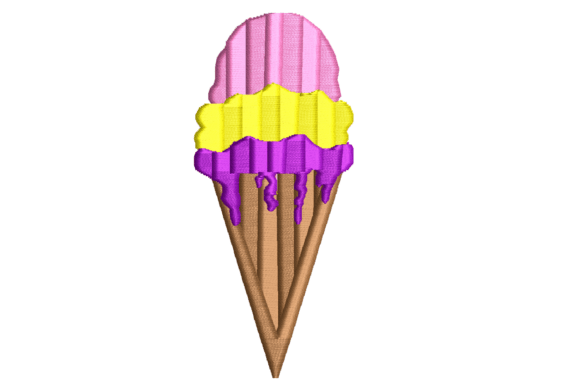
The immediate impression of the Cute Ice Cream Embroidery Design is one of approachable charm. In the world of branding, visual personality dictates customer engagement. This design does not attempt to be minimalist or ultra-modern; instead, it leans heavily into a playful, nostalgic aesthetic. For businesses in the Dessert category, such as ice cream parlors, bakeries, or candy shops, this alignment is perfect. However, its utility extends beyond food service. Florists, pet brands, and children’s boutiques can leverage this whimsical vibe to soften their brand image and create a friendly connection with their clientele.
The design brings color and charm, which are essential elements for standing out in a crowded market. When I examine a file for commercial embroidery potential, I look for balance. Does the design feel cluttered, or is there enough negative space to let the stitches breathe? This particular motif appears to strike a balance that suggests it was digitized with an understanding of thread behavior, aiming for a clean finish rather than excessive density that might pucker delicate fabrics.
Real-World Applications for Small Business Merch
The true test of any digital embroidery file is its versatility across different substrates. Here is how I envision the Cute Ice Cream Embroidery Design performing in real business scenarios:
- Embroidered Patches: This is perhaps the strongest use case. Creating iron-on or sew-on patches allows businesses to sell low-cost add-ons or brand their packaging without embroidering directly onto every item. The bold shapes of an ice cream cone translate well to patch formats, providing a tactile, premium feel to small business merch.
- Staff Uniforms and Aprons: For cafés and boutiques, staff appearance is part of the customer experience. An apron embroidery featuring this design on the chest pocket or upper left chest adds a personalized touch. It signals attention to detail and reinforces the brand’s playful identity. However, placement is key; it should not interfere with functionality.
- Tote Bag Design: Reusable totes are a staple for retail shops. Placing this design on a canvas tote creates a walking advertisement. The contrast of colorful threads against natural cotton or heavy-duty canvas can make the finished product highly desirable for customers who value eco-friendly accessories.
- Cap Embroidery: Baseball caps are high-margin items for many brands. While curved surfaces present challenges, a well-digitized ice cream motif can work beautifully on the front panel or side. It offers a subtle yet recognizable brand accent that appeals to a younger demographic.
Technical Considerations and Production Challenges
While the aesthetic appeal is strong, professional decorators must address technical constraints before running a production batch. The description mentions suitability for kids’ clothing and kitchen towels, which implies a range of fabric types. Here are the critical factors to consider:
Stitch Density and Fabric Texture: Ice cream designs often involve solid fills for the scoop and cone. If the stitch density is too high, it can cause puckering on lightweight fabrics like t-shirts or linen towels. I recommend testing the design on a scrap piece of your actual inventory fabric. Use a cut-away stabilizer for stretchy knits and a tear-away for woven materials like tote bags. Always match the stabilizer weight to the fabric texture to ensure a flat, professional finish.
Thread Colors and Contrast: The success of this design relies heavily on thread colors. Pastel pinks, mint greens, and creamy whites must have sufficient contrast against the garment color. Avoid placing light-colored threads on white or light gray apparel unless you use an underlay stitch effectively. Conversely, dark uniforms may require a satin border or backing to prevent the garment color from showing through the fill stitches.
Size and Detail Retention: One common mistake is shrinking complex designs too small. If you plan to use this as a small logo accent on a collar or cuff, verify that the details do not merge. Tiny lettering or intricate sprinkles can become a blob of thread if the hoop size and scaling are not managed correctly. I advise creating a printable mockup at 100% scale to visually inspect the clarity before stitching.
Enhancing Brand Identity and Customer Trust
Consistency in design assets builds trust. When a customer sees the same high-quality Cute Ice Cream Embroidery Design on your website, your packaging, and your staff uniforms, it reinforces professionalism. Handmade products gain perceived value when the embroidery is crisp and centered. A sloppy stitch-out can detract from even the best product, while a clean execution elevates a simple tote bag into a keepsake.
For Etsy sellers and crafters, offering custom apparel with this design can differentiate your shop. It allows for personalization, such as adding a name below the ice cream cone, which increases buyer engagement. However, ensure that any added text complements the font style of the original design to maintain visual harmony.
Designer Notes for Best Results
Before committing to a large run of custom apparel or merchandise, follow these practical steps:
- Test in Black and White: Convert your preview to grayscale to check for contrast issues. If the design loses definition without color, you may need to adjust thread choices or add outlining.
- Verify File Formats: Ensure you have the correct embroidery file format for your machine (e.g., PES, DST, JEF). Incorrect conversions can alter stitch angles and density.
- Check Commercial Licensing: Always confirm the license terms. Some designers allow unlimited commercial use, while others restrict the number of physical items sold. Protect your business by adhering to these legal requirements.
- Create Client Mockups: If you are fulfilling orders for other businesses, provide a digital mockup showing the design on their specific garment color. This manages expectations and reduces revision requests.
- Inspect Hoop Size Compatibility: Confirm that the design fits within your standard hoop sizes without requiring re-hooping, which can lead to misalignment.
In conclusion, the Cute Ice Cream Embroidery Design offers significant potential for businesses looking to inject personality into their merchandise. By respecting the technical limitations of Embroidery machinery and focusing on strategic placement, this design can become a valuable asset in your creative toolkit. Whether used for a charming patch or a standout apron detail, it serves as a reminder that thoughtful design drives brand recognition and customer loyalty.